
Tropical Travel Girl
Six Things to Do “Beyond the Beach” in Pensacola, Florida
Last updated on February 17th, 2026 at 02:40 pm
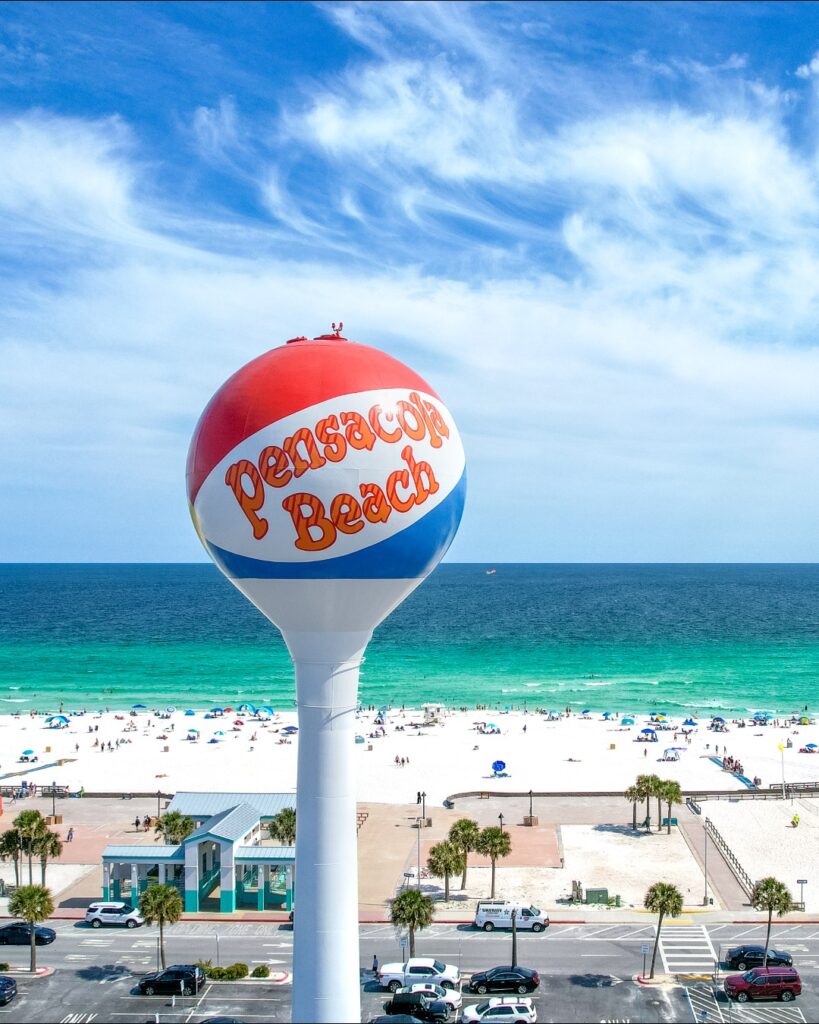
When Condé Nast Traveler readers cast their votes for America’s best beaches in 2025, Pensacola Beach rose to the top. It’s easy to see why this 18-mile stretch of Florida Panhandle shoreline earned the #1 spot on the magazine’s list of the 15 “Best U.S. Beaches.” Its sugar-white sand and emerald-green Gulf waters have long captivated visitors — including me. I first vacationed here decades ago with my family, then returned after college to spend a summer living and working in Pensacola.
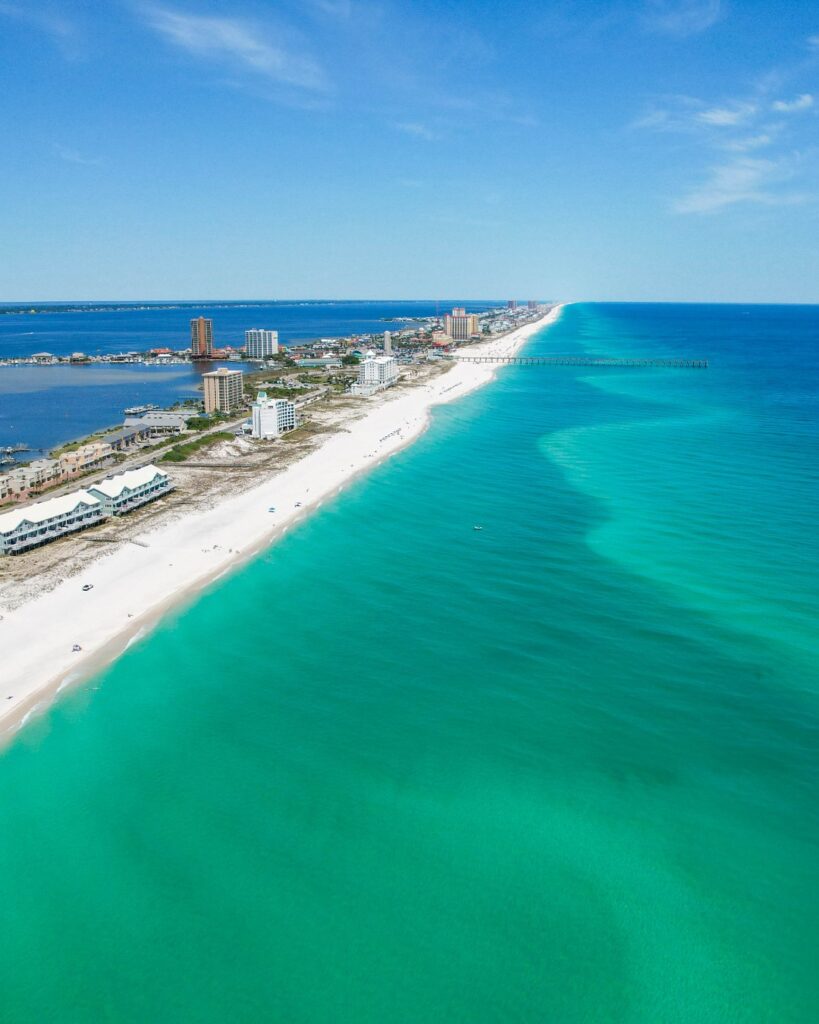
15 Best U.S. Beaches for 2025 in a Condé Nast Readers’ Choice poll. (Courtesy of Visit Pensacola)
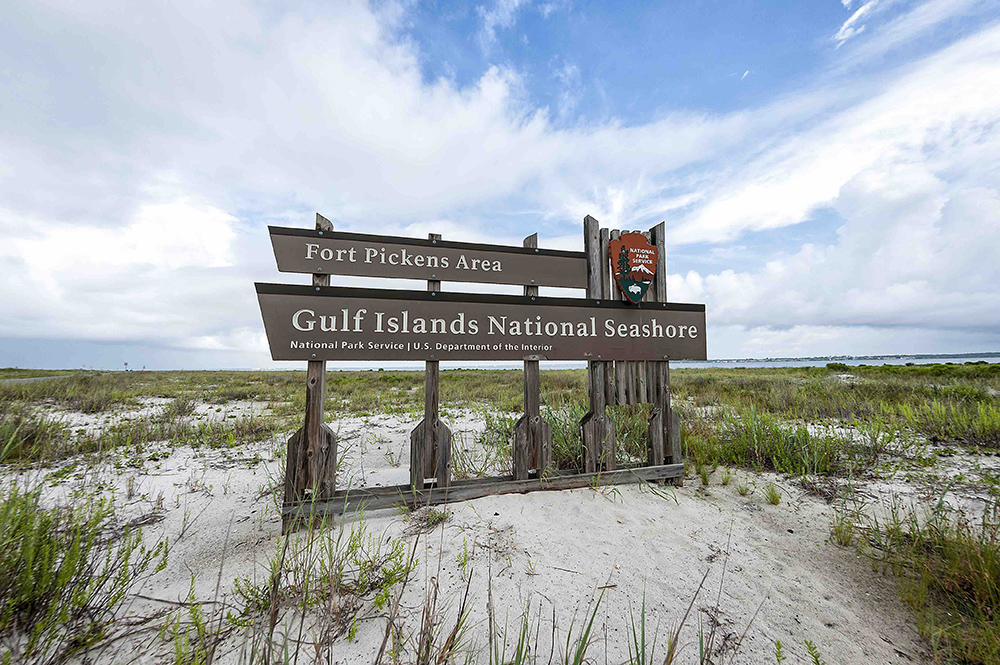
Pensacola’s beaches include protected natural areas designated as the Gulf Islands National Seashore, stretching west to Fort Pickens and east to the nearby community of Navarre Beach, which came in #2 on Condé Nast’s 2025 list.
The sand — 99 percent pure quartz — feels like sifted sugar beneath your feet, cool despite the Florida sun that shines here nearly 325 days a year. And as a longtime sand collector (from more than 70 beaches to date), I can attest its sands are among the whitest in the world.
But as captivating as the shoreline may be, some of Pensacola’s most memorable experiences lie beyond the beach.
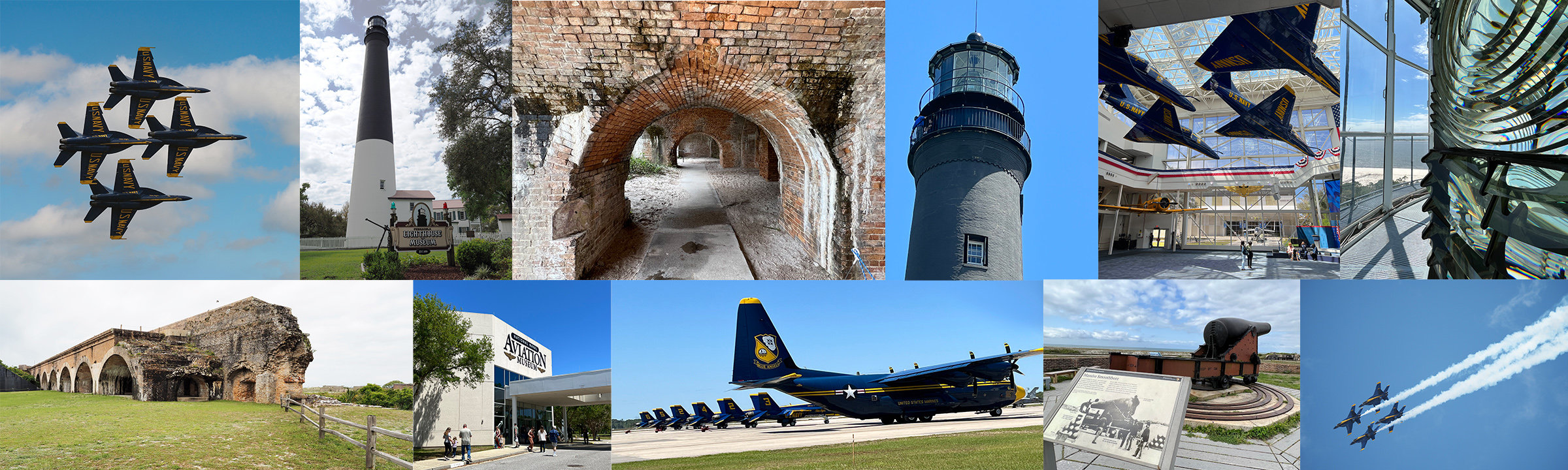
U.S. Navy Blue Angels
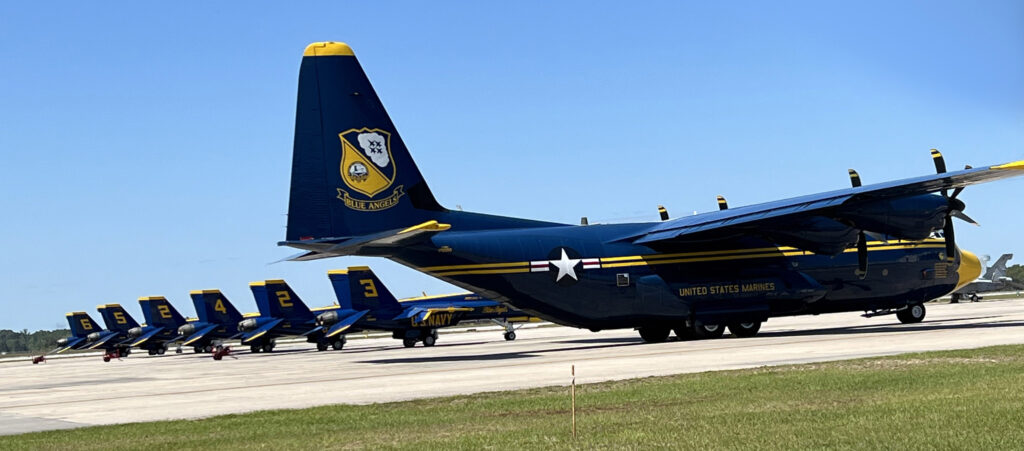
If you visit Pensacola anytime from March through November, don’t miss the opportunity to watch this elite demonstration team practice. While show and practice schedules are subject to change, sessions are typically held on Tuesday and Wednesday mornings.
Where to Watch the “Blues”
(NAS) Naval Air Station Pensacola
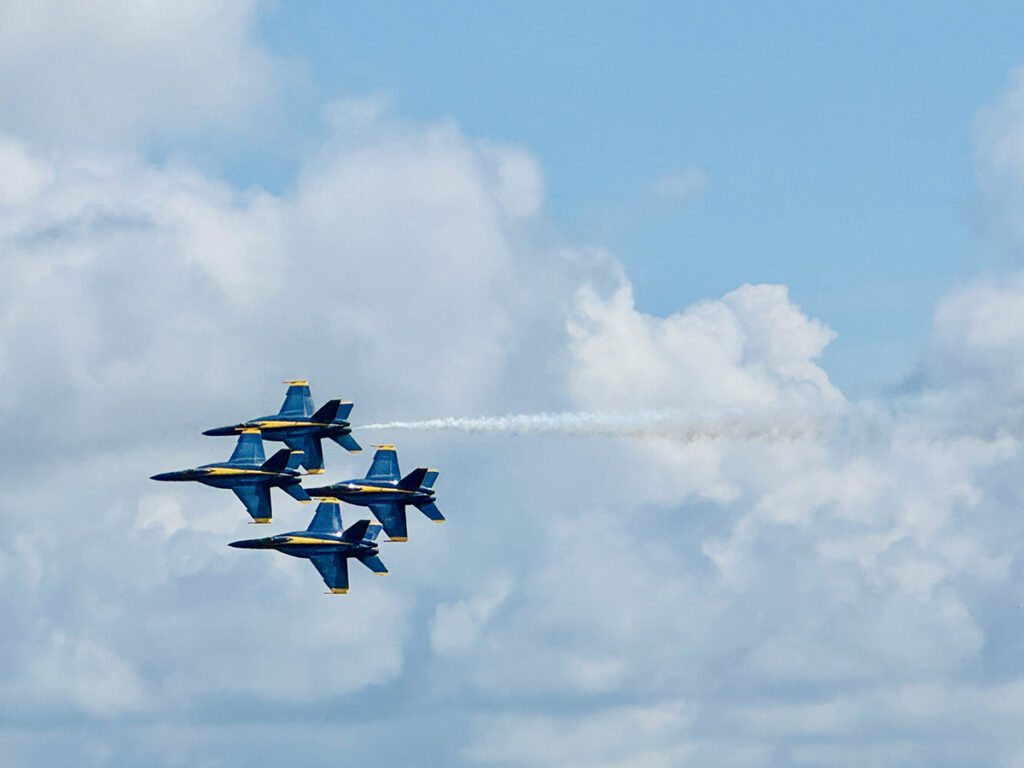
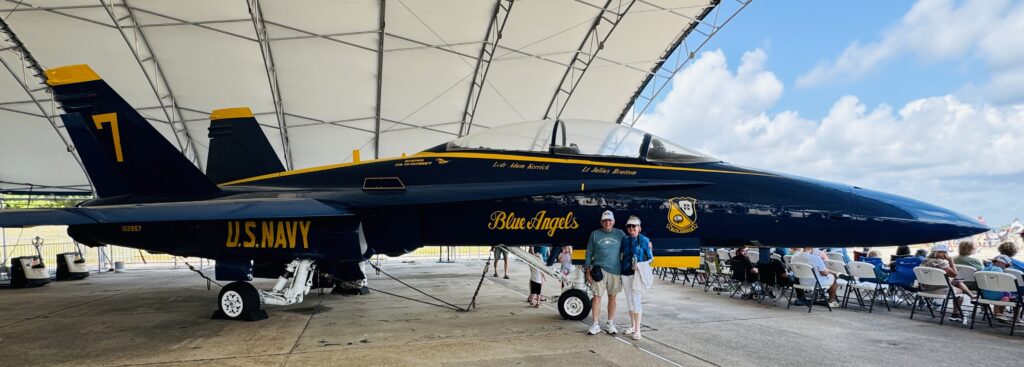
On our most recent visit, we watched from the dedicated viewing area outside the National Naval Aviation Museum on NAS (Naval Air Station) Pensacola base — one of the most popular vantage points. After Wednesday practices, the pilots are often available inside the museum for a meet-and-greet, where they answer questions and sign autographs.
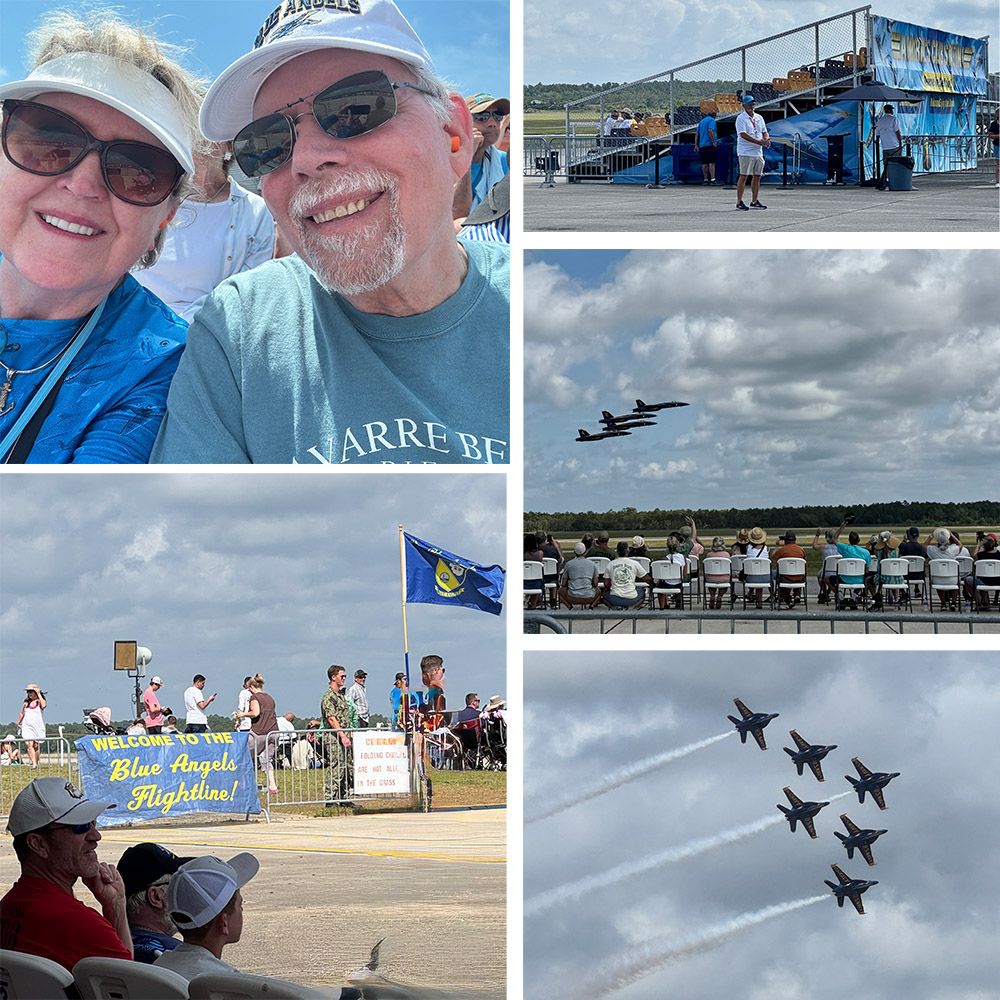
Here’s a short video I captured from the viewing area:
Fort Pickens Beach
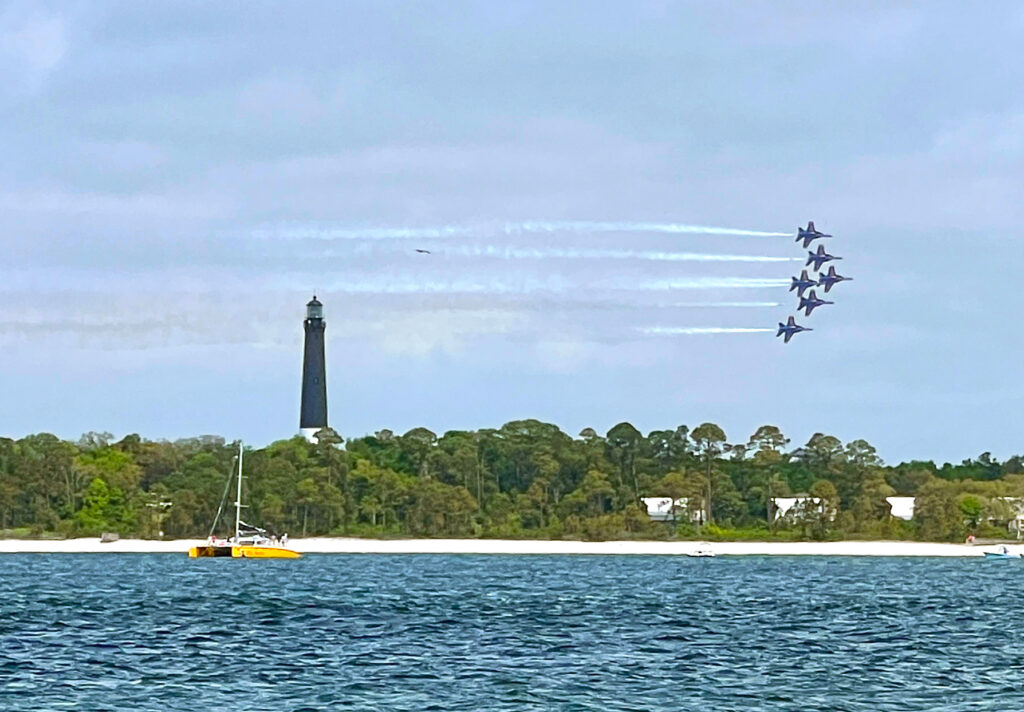
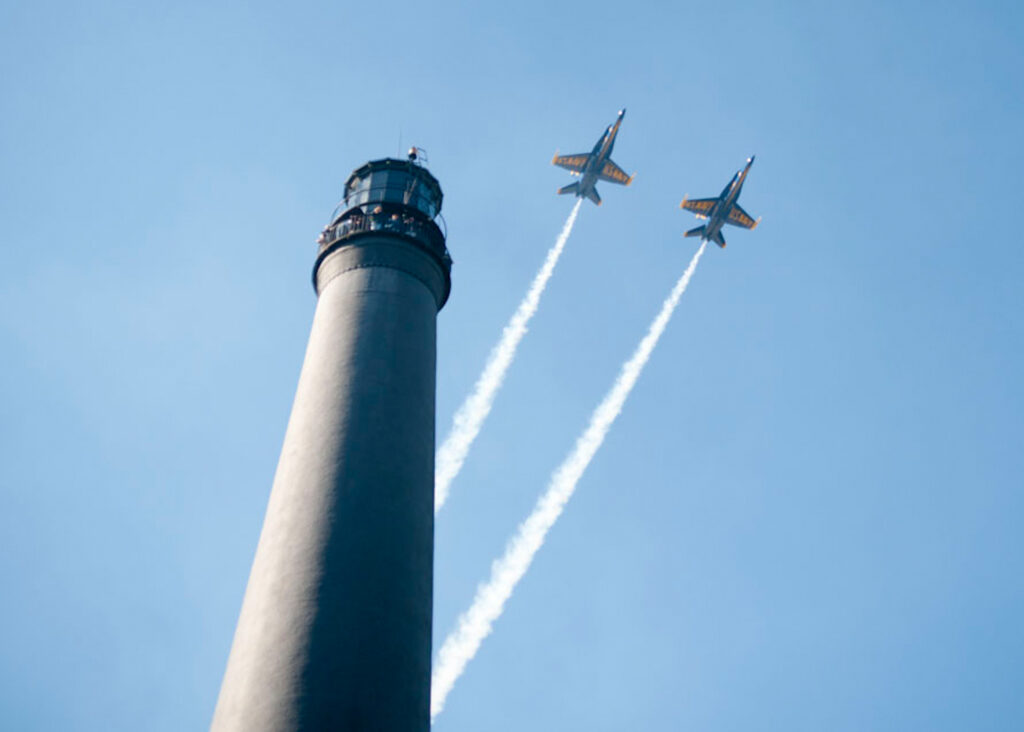
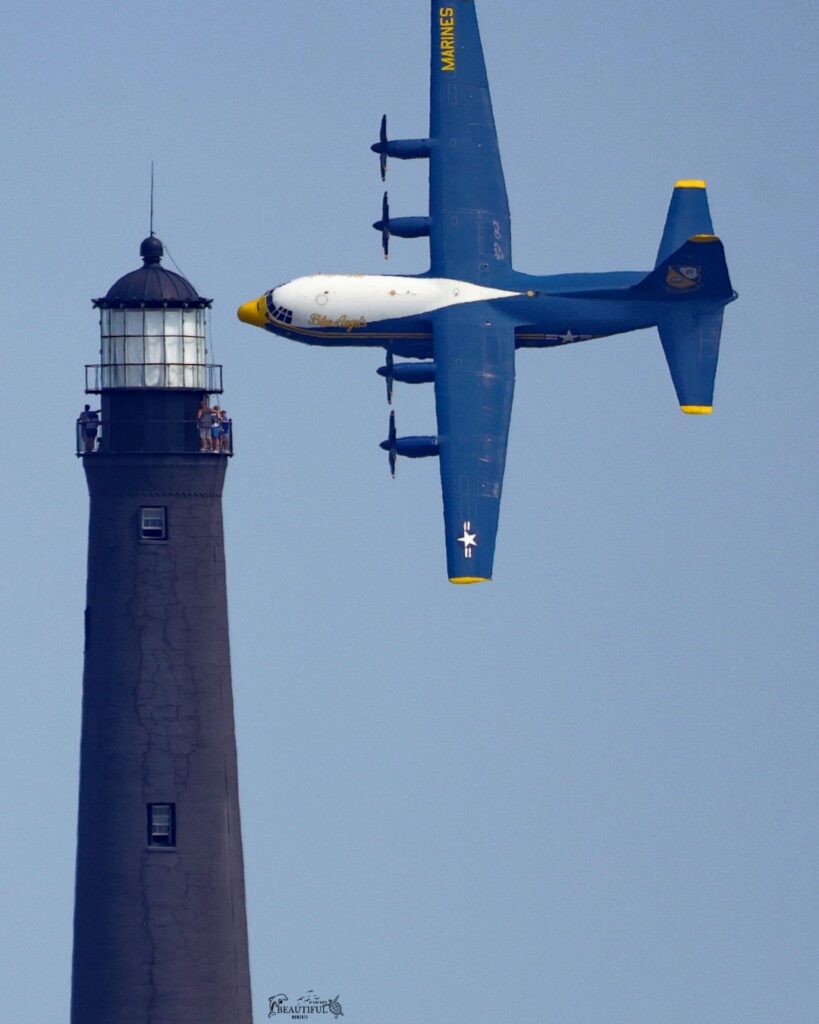
We chose a very different setting on a previous trip: the beach at Fort Pickens. From there, we watched the jets streak across the sky above Pensacola Bay, with the Pensacola Lighthouse visible in the distance. The contrast of sugar-white sand and roaring engines overhead made for a uniquely Pensacola experience.
Pensacola Lighthouse
For an even more elevated perspective, visitors can reserve a spot atop the Pensacola Lighthouse — a vantage point many consider one of the best views of the “Blues” in action. (It’s on my list for our next visit.)
From the Water
Another memorable option is to watch from the water aboard the Pensacola Bay City Ferry or through one of several other local boat charter companies.
For updated schedules and additional insider tips, visit the official Visit Pensacola website, where you can also find the 2026 practice schedule.
You may also want to check out this site: Blue Angels Practice Information
It’s your “unofficial guide” to Pensacola-Area Practices, Beach Buzzes, and Air Shows.
The National Naval Aviation Museum
©Debbra Dunning Brouillette
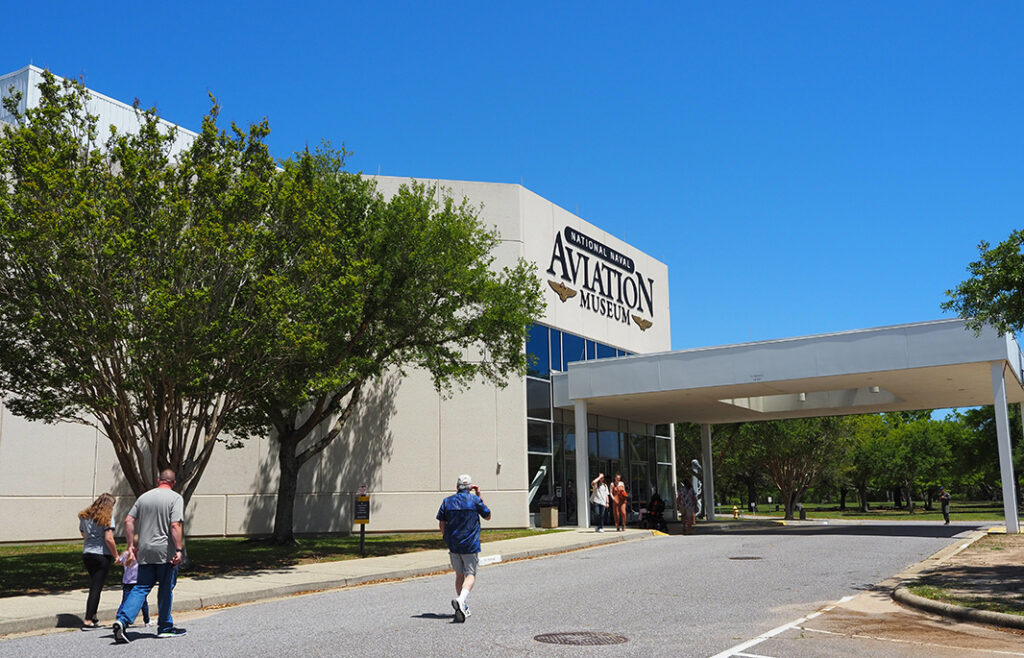
Located at Naval Air Station Pensacola — widely regarded as the birthplace of naval aviation — the National Naval Aviation Museum is one of the largest aviation museums in the world, occupying approximately 350,000 square feet of exhibit space. Even better, admission is free.

Founded in 1962 and relocated to its current site in 1974, the museum reopened to the public in 2023 after a temporary closure. Today, more than 150 beautifully restored aircraft and spacecraft fill its expansive galleries, representing Navy, Marine Corps, and Coast Guard aviation from World War I to modern jets.
©Debbra Dunning Brouillette
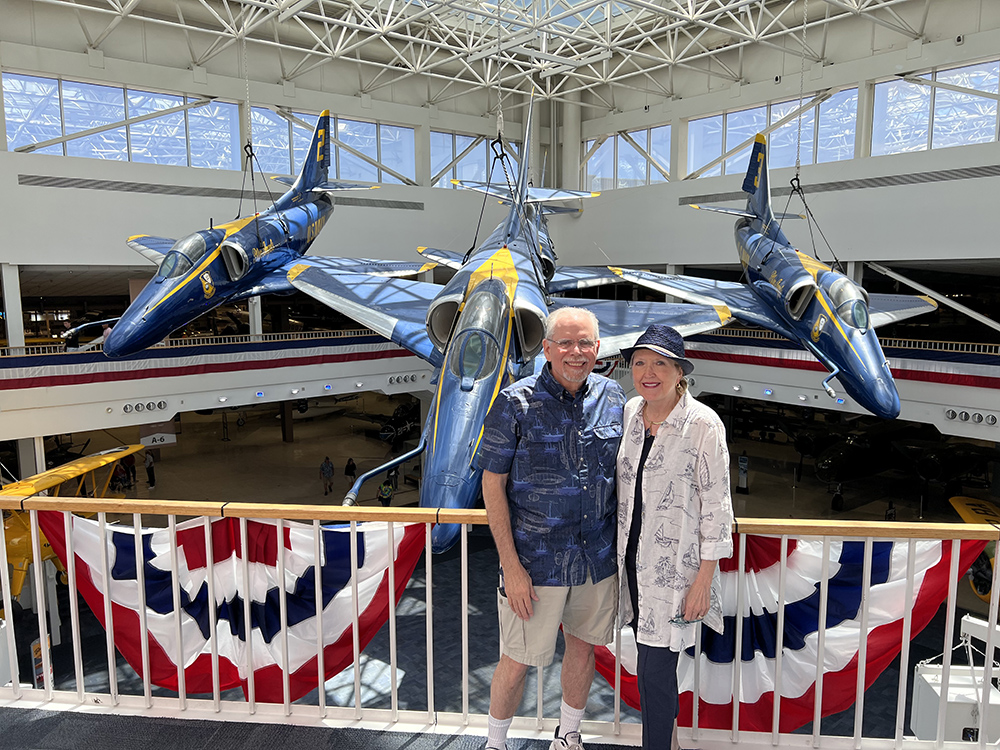
Visitors can stand beneath former Blue Angels A-4 Skyhawks, see the Curtiss NC-4 — the first aircraft to cross the Atlantic — and explore interactive exhibits and flight simulators that bring naval aviation history to life.
We recently visited after watching the Blue Angels practice from the nearby viewing area. Years earlier, we stopped in after climbing the Pensacola Lighthouse. Each time, walking beneath those aircraft feels more meaningful for us. My husband, an Air Force veteran who served as a Crew Chief for fighter jets in Thailand during the Vietnam War, sees more than historic planes — he sees the skill, dedication, and teamwork behind them.
Even for those who are not aviation enthusiasts, the museum is surprisingly moving. It serves as a compelling tribute to the expertise, sacrifice, and innovation of the U.S. Navy, Marine Corps, and Coast Guard.
Fort Pickens and the Gulf Islands National Seashore
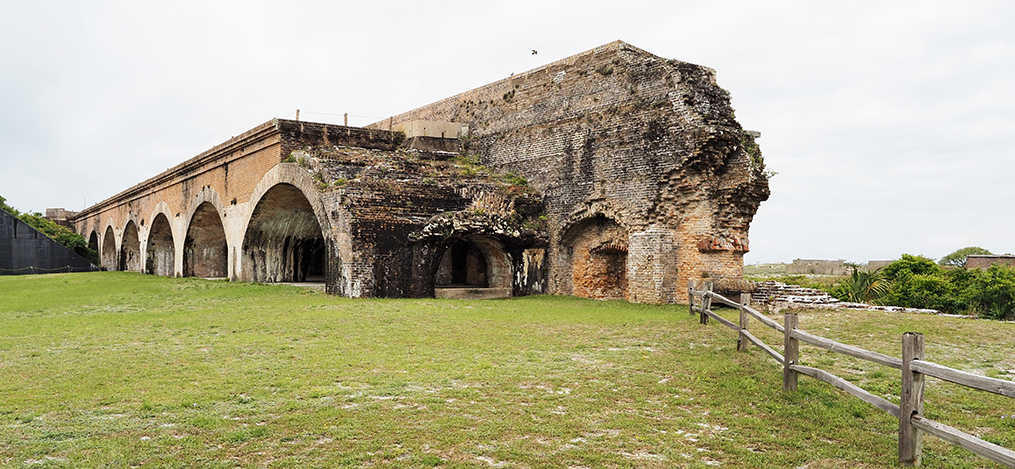
If the Blue Angels showcase Pensacola’s sky, Fort Pickens anchors its past. Built in 1834 as part of America’s coastal defense system after the War of 1812, the massive brick fortress was designed to guard Pensacola Bay and the nearby Navy Yard from foreign threats. Named for Revolutionary War hero Andrew Pickens, it sits on a strategic part of Santa Rosa Island where the Gulf of Mexico meets Pensacola Bay.
©Debbra Dunning Brouillette
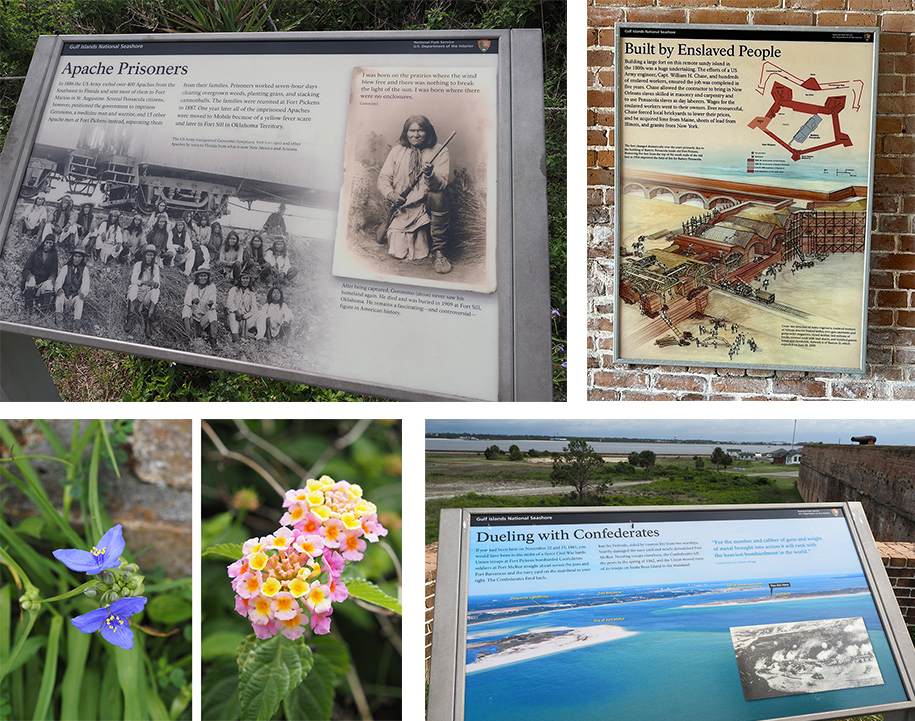
During the Civil War, Fort Pickens remained in Union hands — a rare distinction among Southern forts. It later served as a prison for Confederate President Jefferson Davis. In 1886 and 1887, famed Apache leader Geronimo was also held here. He reportedly drew hundreds of curious onlookers in a single day, becoming what some consider Pensacola’s first tourist attraction.
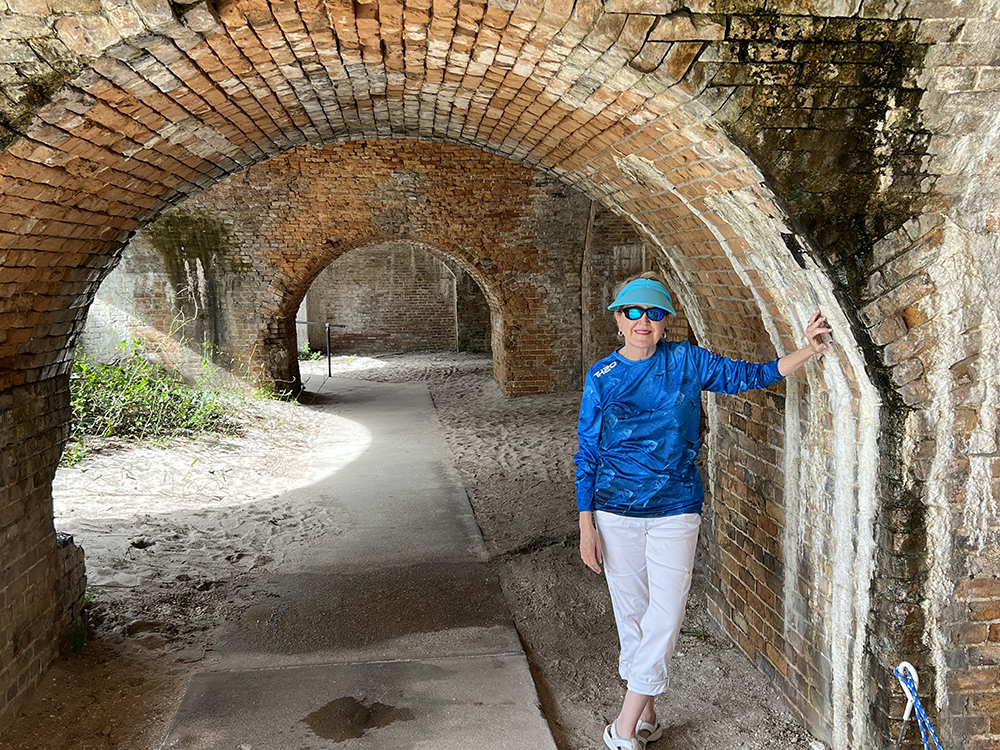
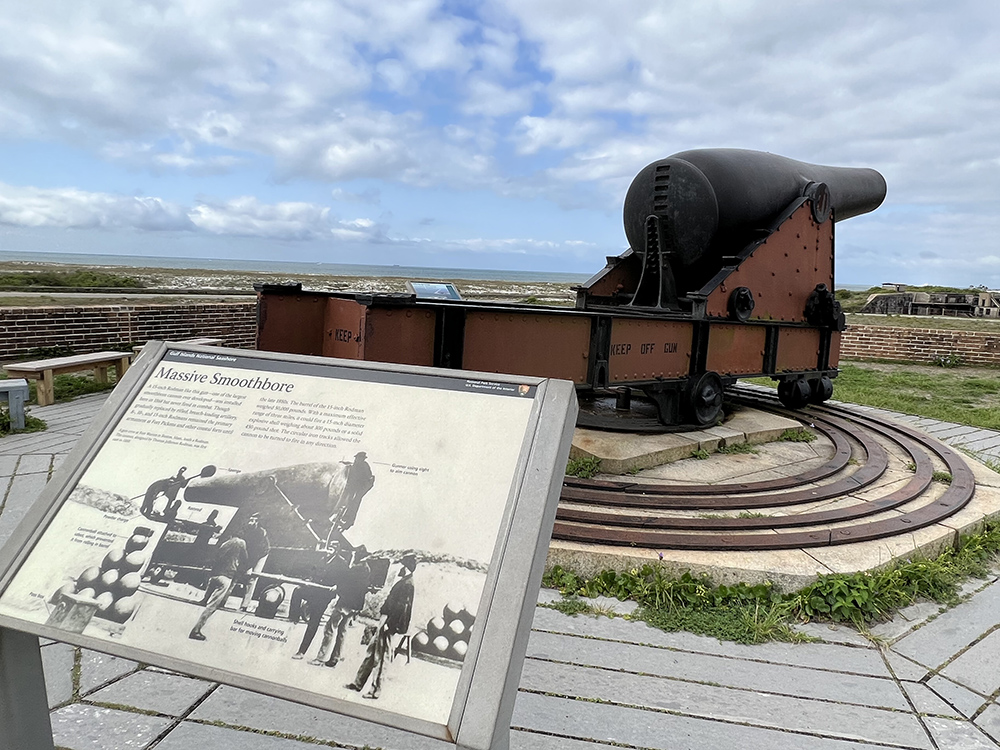
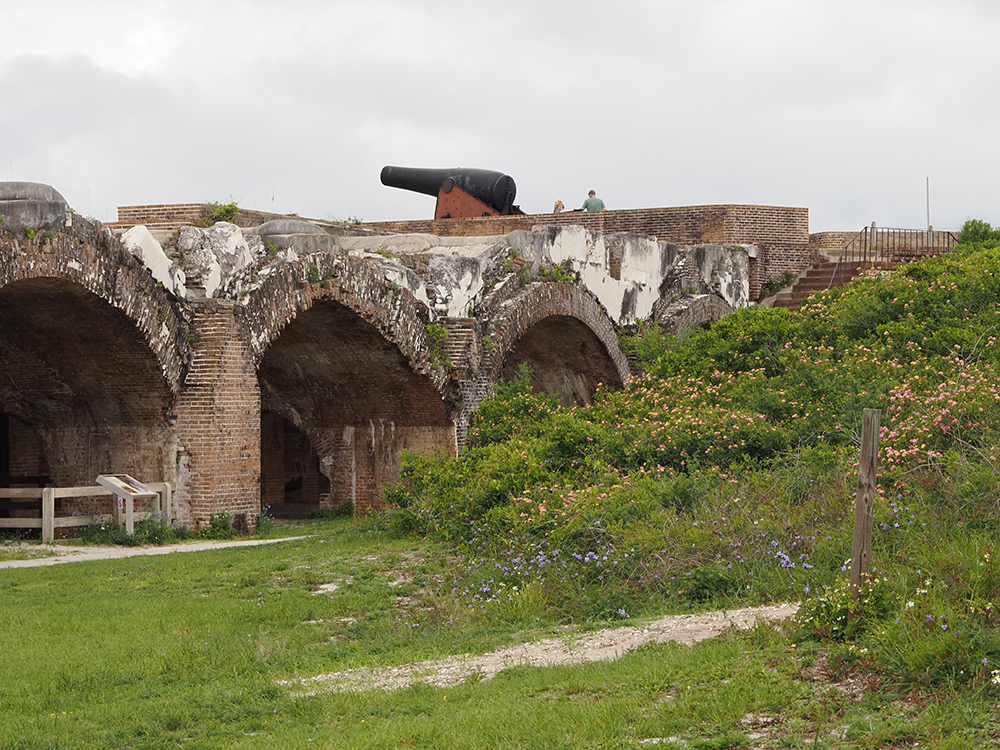
Today, as part of the Gulf Islands National Seashore, the fort invites visitors to wander through arched brick corridors, explore gun rooms and batteries, and climb atop its walls for sweeping views of the Gulf and Pensacola Bay.
Beyond the fortress, a protected shoreline provides a welcome contrast to Pensacola Beach’s lively main district. Sea oats sway in the breeze, shorebirds skim the surf, and hiking and biking trails wind through dunes and maritime forest — creating a quieter, more contemplative side of the island.
Pensacola Lighthouse and Maritime Museum
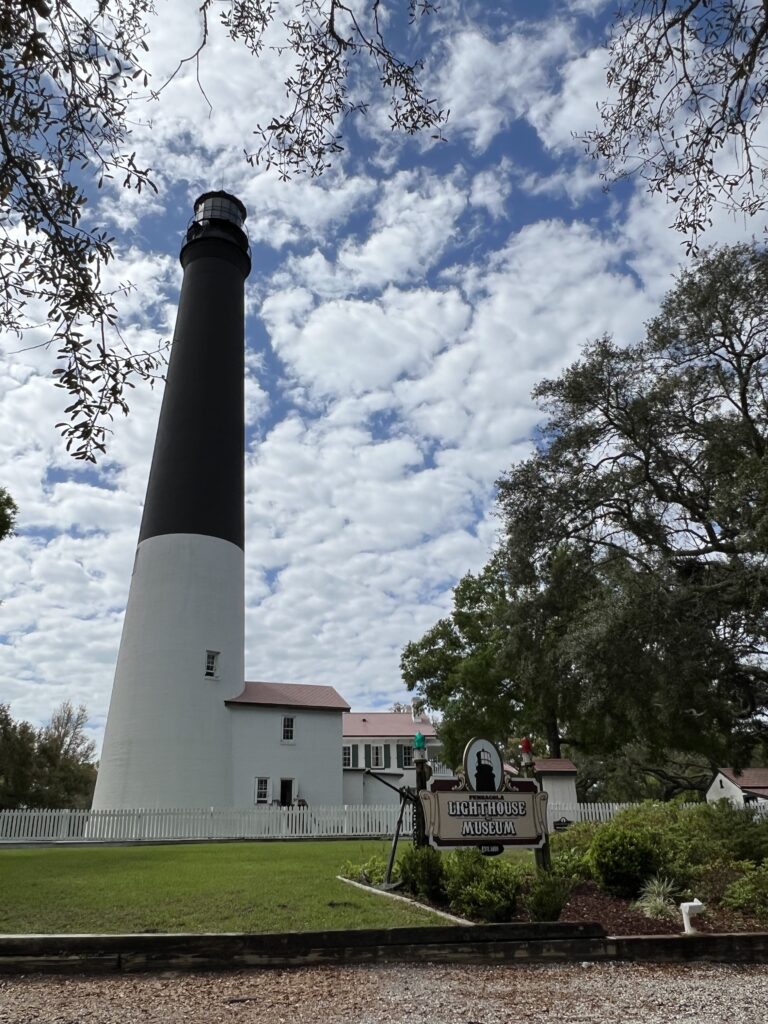
Lighthouse lovers, add this one to your list. Built in 1859 and still used by the Coast Guard as an active aid to navigation, the Pensacola Lighthouse stands as both a working beacon and a preserved piece of maritime history.
Listed on the National Register of Historic Places, it rewards those willing to climb its 177 steps with expansive views of the Gulf Coast, Pensacola Bay, and Naval Air Station Pensacola.
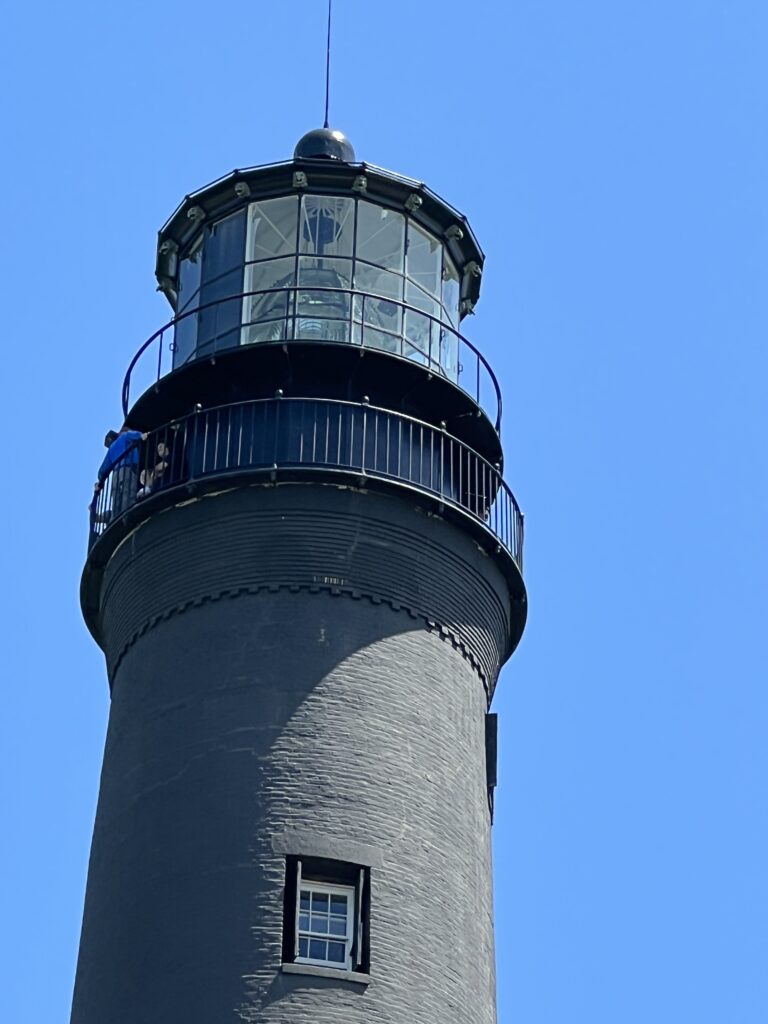
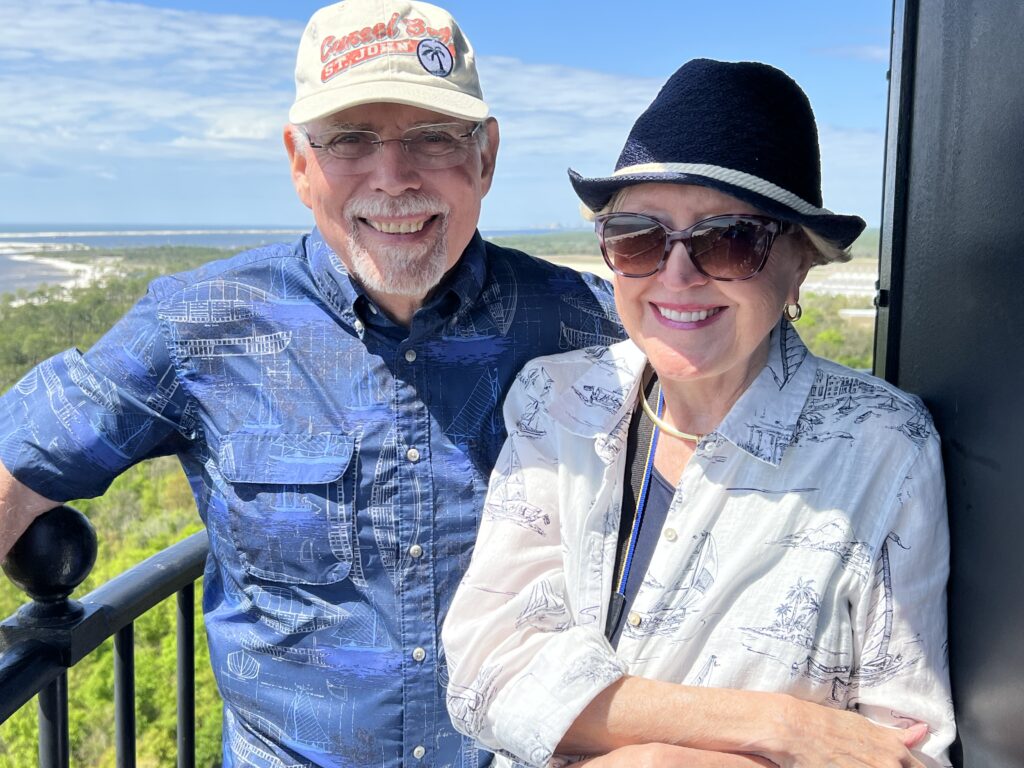
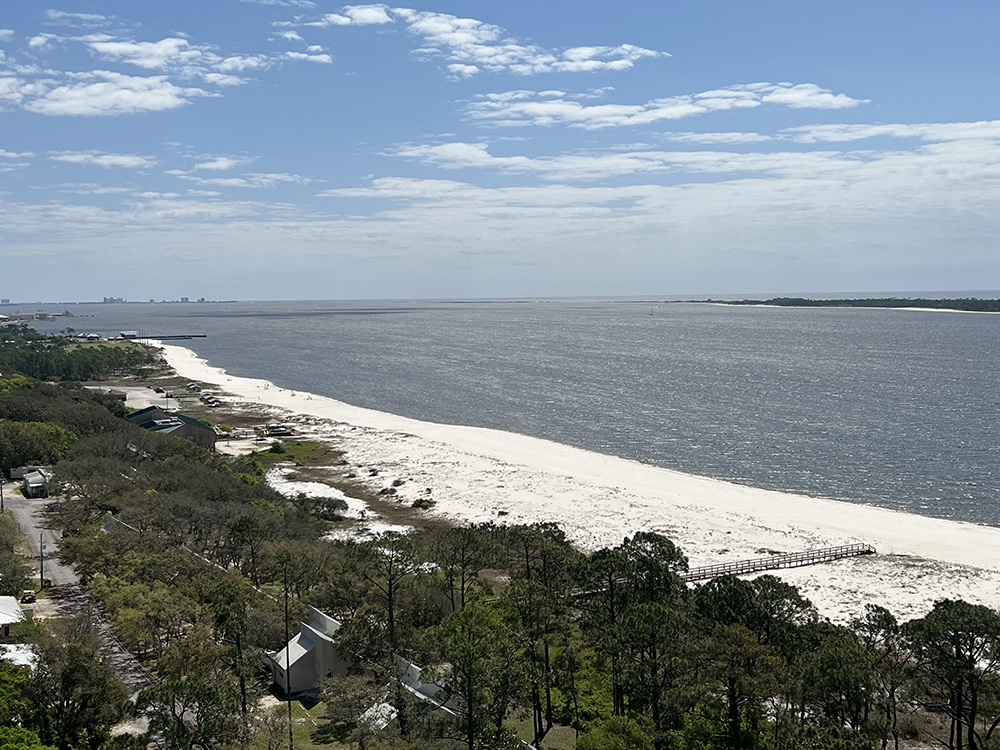
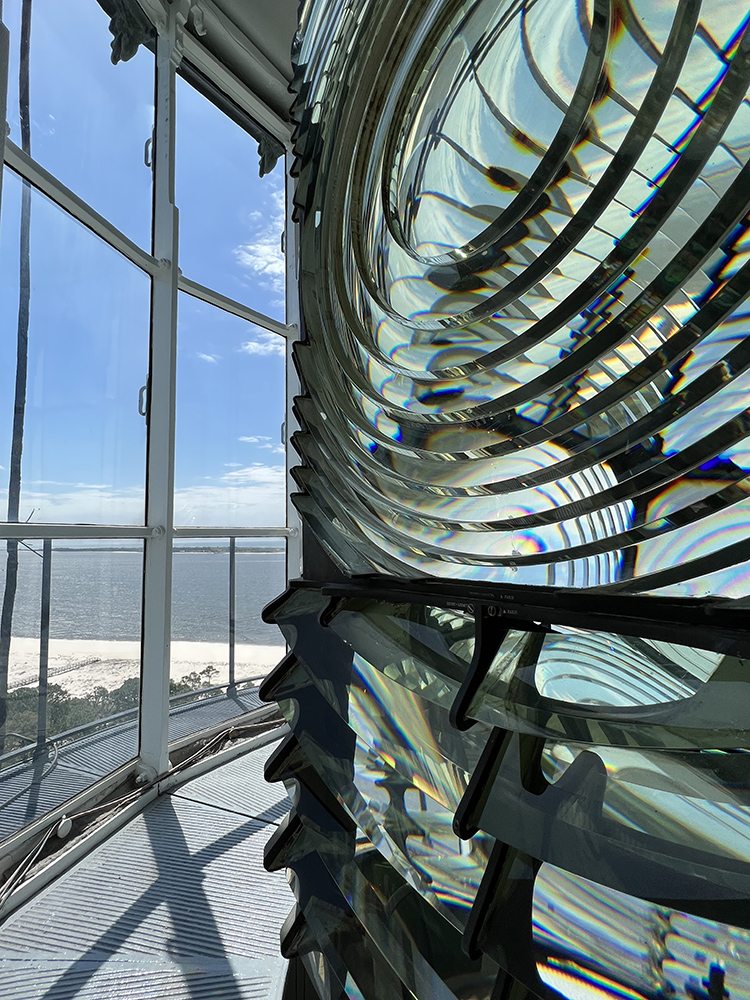
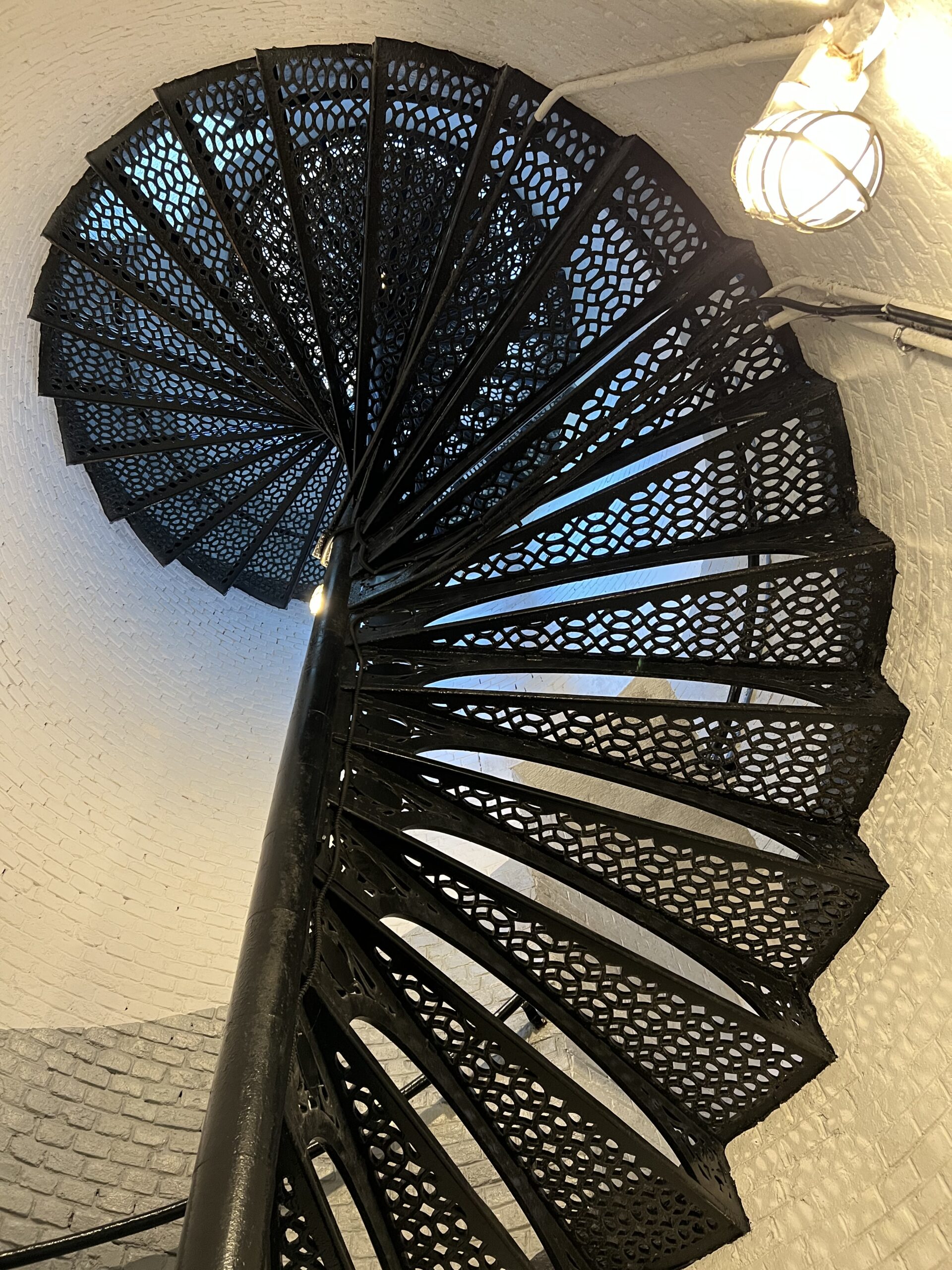
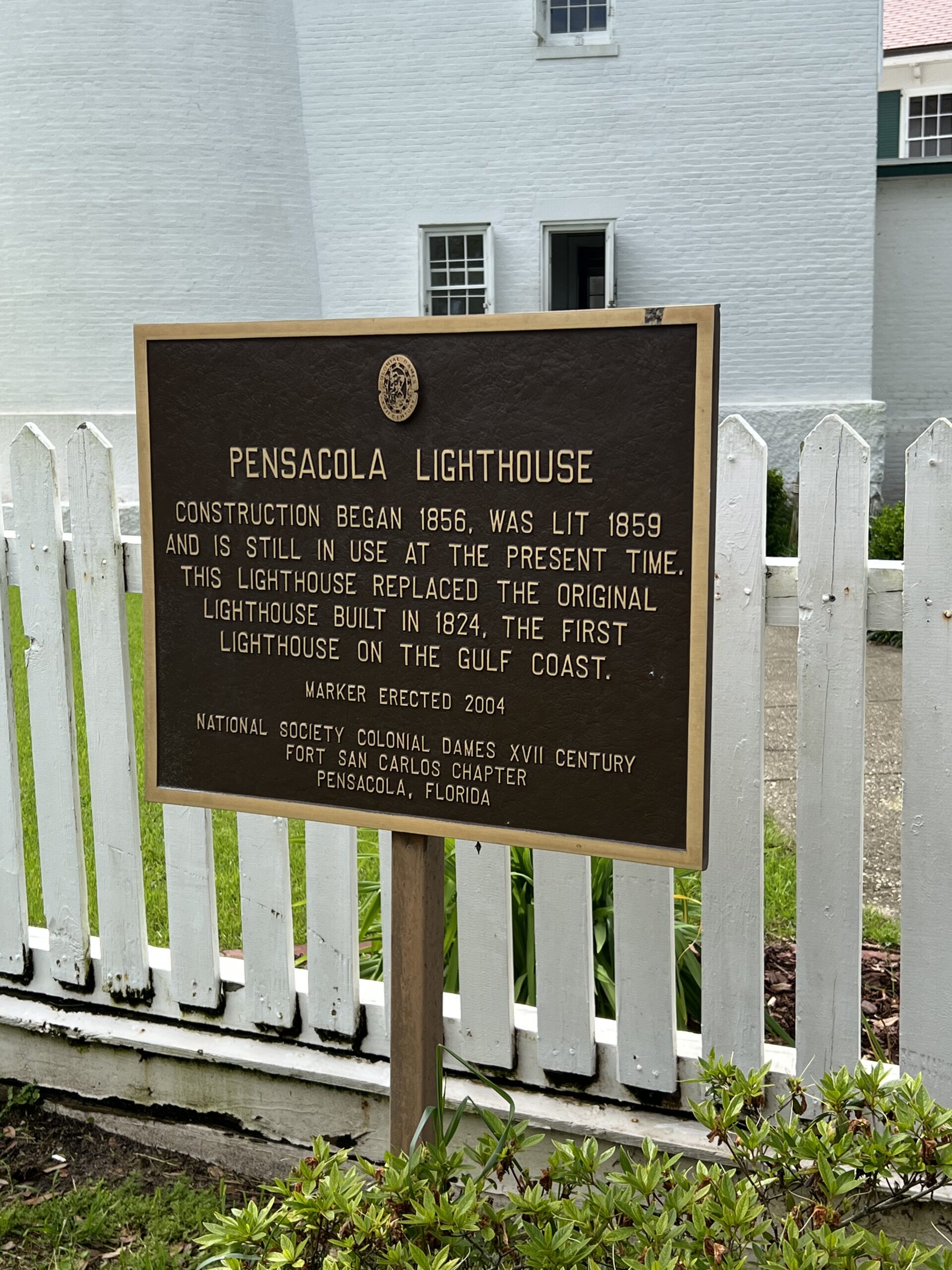
Ten years after the tower was completed, the Keeper’s Quarters was constructed in 1869 as a home for lighthouse keepers and their families. It served in that role for nearly a century, until 1965. In 1995, it opened to the public as a Maritime Museum. Visitors can now explore exhibits detailing the lighthouse’s technology, restoration, and the daily lives of those who kept its light burning.
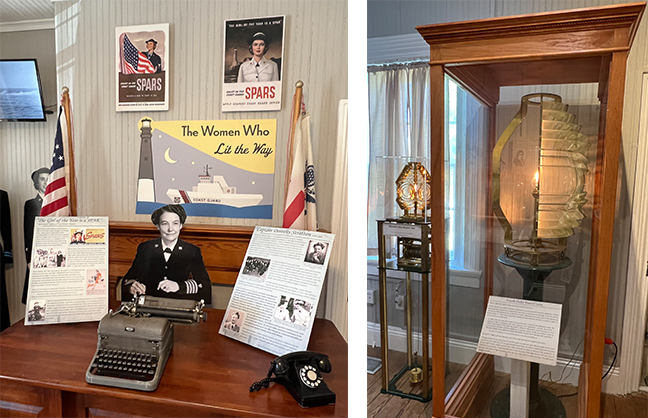
One exhibit, “Women Who Lit the Way,” is especially enlightening. It highlights the often-overlooked contributions of female lighthouse keepers and the first women in the Coast Guard.
Special Interest Tours
For those who enjoy a touch of mystery, the lighthouse is also reputed to be one of the most haunted in America. Reported sightings of a former keeper, unexplained voices, and other unusual experiences have even drawn attention from television shows such as The Travel Channel’s Ghost Adventures.
Guided “ghost hunt” tours, as well as special Sunset and Full Moon Climbs during golden hour, offer unique ways to experience the landmark after hours. Book one of these special tours on the Events page.
For hours, admission information, and special events, visit the lighthouse’s official website before you go.
Historic Downtown Pensacola
Long before sugar-white sands and Blue Angels filled the skies, Pensacola was making history. Founded in 1559 by Spanish explorer Tristán de Luna, the Pensacola Bay Area is recognized as America’s first European settlement. Over the centuries, five different flags — Spain, Britain, France, the Confederacy, and the United States — have flown over what is now known as the “City of Five Flags.”
Today, that layered history unfolds in the walkable streets of Downtown Pensacola. Brick-lined sidewalks lead past local restaurants, galleries, boutiques, and preserved historic buildings that reflect more than 260 years of coastal life.
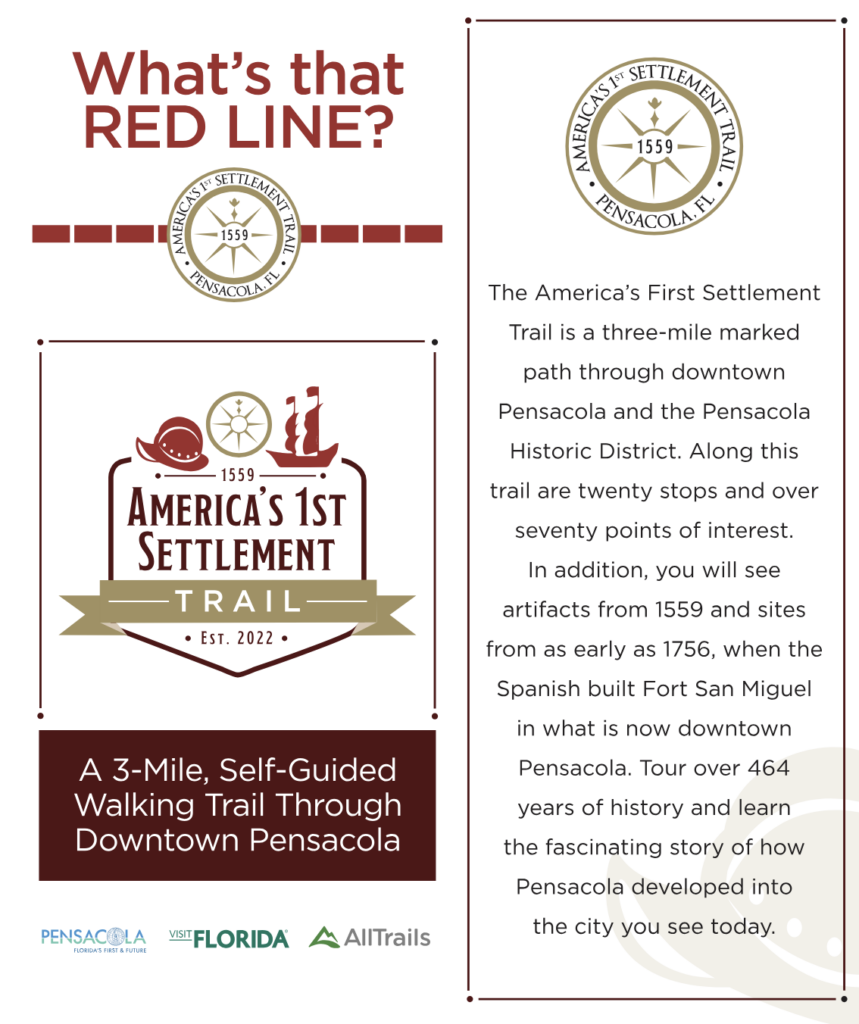
History lovers can follow the three-mile America’s First Settlement Trail, a marked path winding through the downtown core and historic district. The trail includes 20 designated stops and more than 70 points of interest, with sites dating back to 1756. They include the location of Fort San Miguel, built by the Spanish to defend their settlement. Additional self-guided options, such as the Colonial Archaeological Trail and the Maritime Heritage Trail, allow visitors to dive deeper into the stories that shaped Pensacola’s identity.
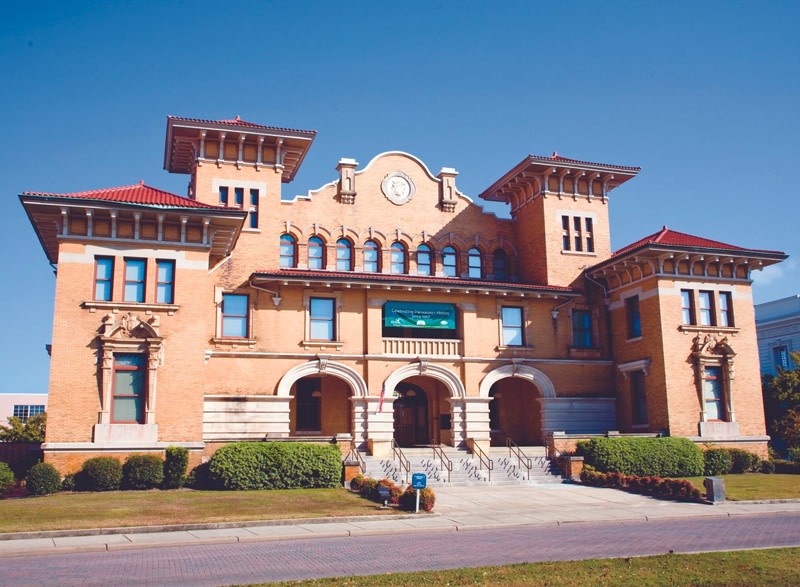
But that’s not all. Visit Historic Pensacola to learn about guided Historic House tours and self-guided tours of several museums, including the Pensacola Museum of History.
Pensacola’s Dining & Nightlife
No trip to Pensacola is complete without sampling its coastal cuisine and lively after-dark scene. I’m only listing restaurants and venues I’ve personally experienced and can wholeheartedly recommend. You’ll find an even more extensive dining guide on the Visit Pensacola website under Food and Drink.
Peg Leg Pete’s—Opened in 1991 with a simple menu of oysters, shrimp, and sandwiches, Peg Leg Pete’s has grown into one of Pensacola Beach’s most beloved hot spots. We enjoyed a relaxed, delicious lunch here, and it’s exactly the kind of casual, seafood-focused spot you crave after a morning on the sand.
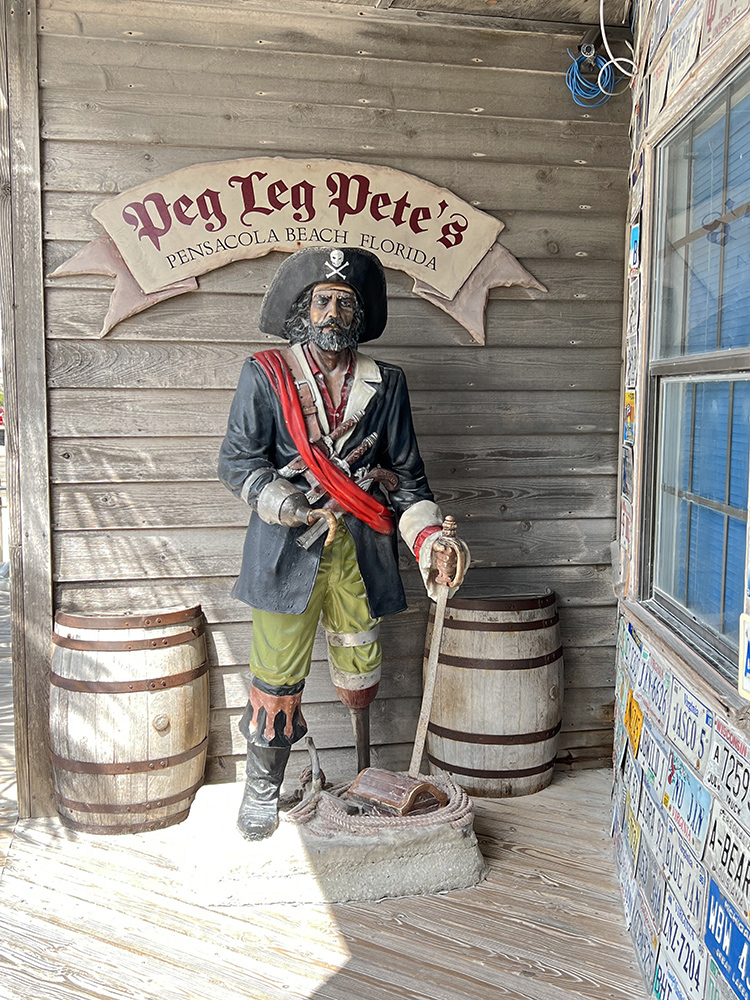
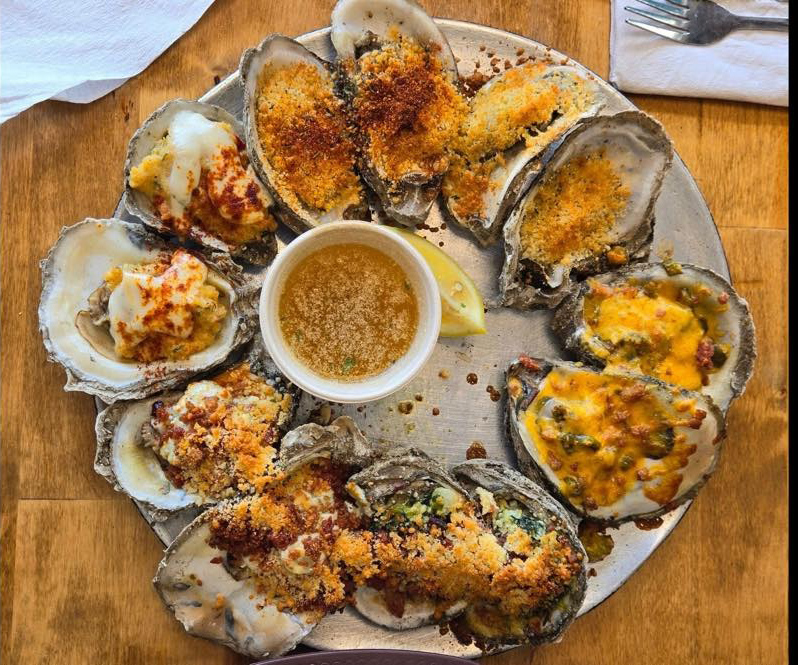
(Courtesy of Peg Leg Pete’s)
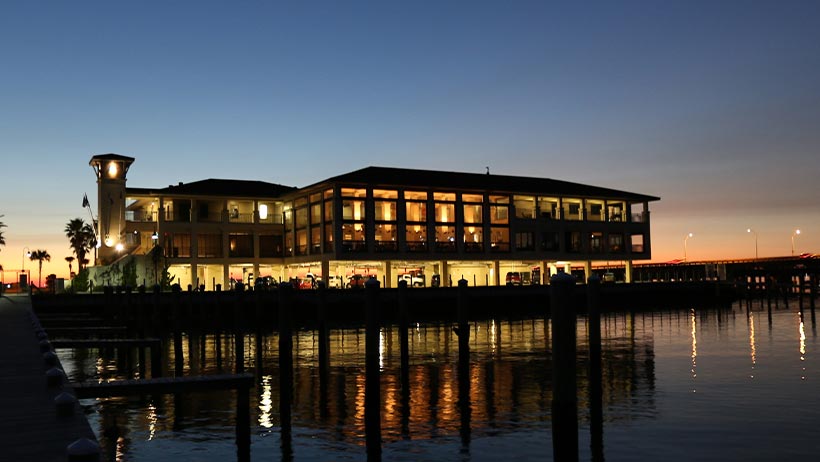
The Grand Marlin—For a more refined evening out, The Grand Marlin has been a favorite of ours. Overlooking the Santa Rosa Sound and open since 2010, it offers polished coastal cuisine in an elegant waterfront setting. It’s an excellent choice for a special vacation dinner.

Jaco’s Bayfront Bar & Grille—Located at the end of South Palafox Street overlooking Palafox Pier Marina, Jaco’s Bayfront Bar & Grille combines waterfront views with a vibrant yet relaxed atmosphere — ideal for sunset cocktails or a casual dinner downtown.

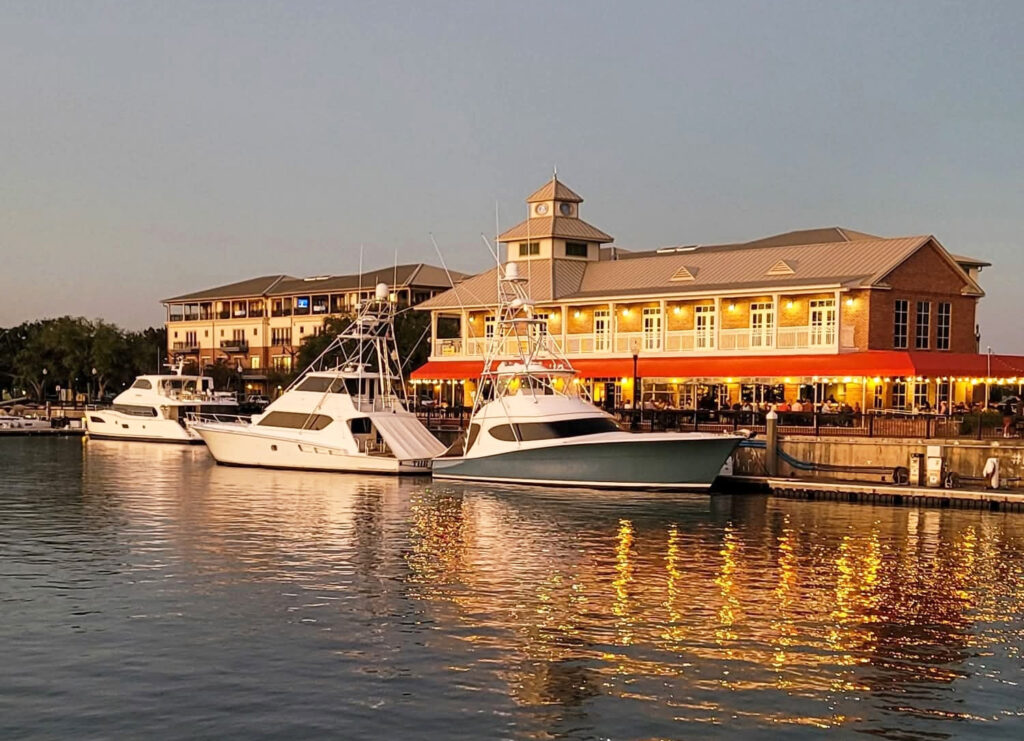
(Courtesy: Jaco’s Bayfront Bar & Grille)
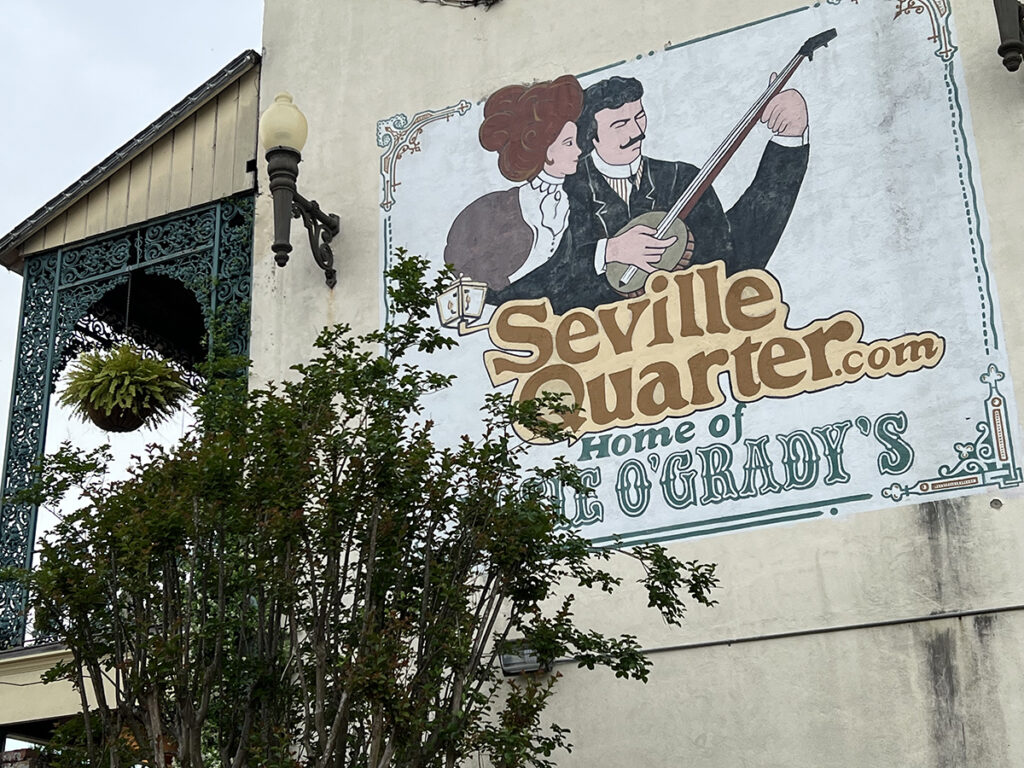
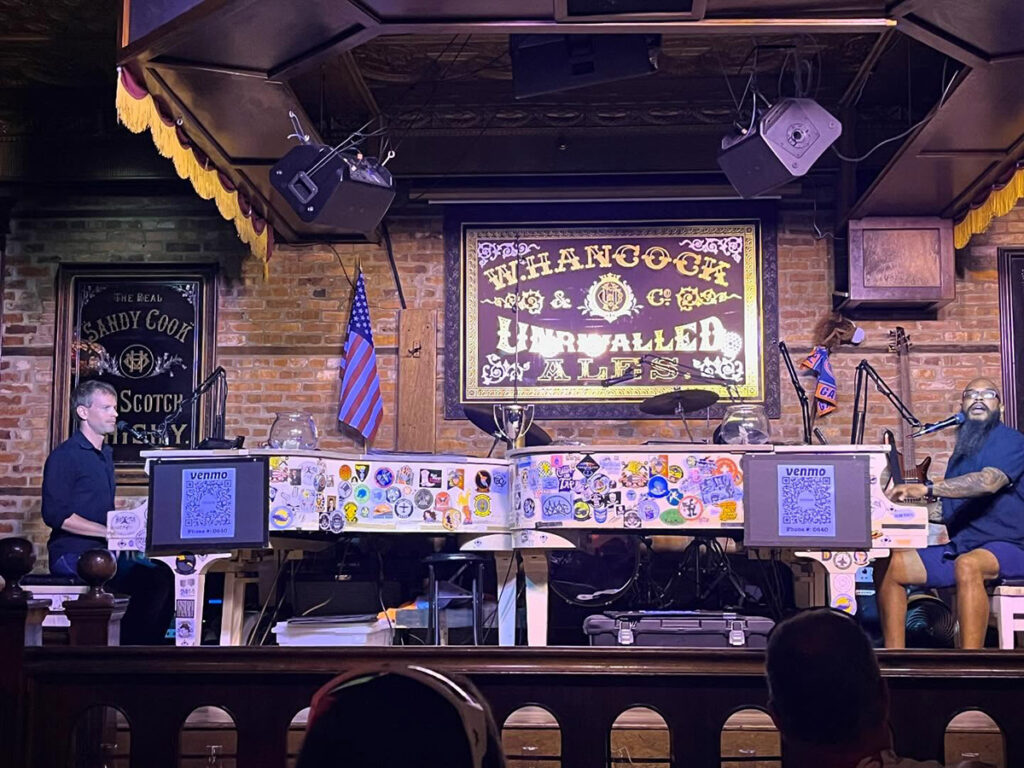
Seville Quarter—For nightlife, Seville Quarter has been a Gulf Coast entertainment destination since 1967. I remember visiting during the summer of 1973 when I was living and working in Pensacola. Today, the sprawling complex features seven themed rooms and courtyards, ensuring there’s always music, energy, and something for everyone. Rosie O’Grady’s Good Time Emporium, with its Dueling Piano Show, is in a building that formerly housed the Pensacola Cigar and Tobacco Co., built in 1871.
Pensacola: It’s More Than Just a Beach
There’s no question that Pensacola’s sugar-white beaches are, for many, the number one reason to vacation here. Being named the #1 U.S. Beach in Condé Nast Traveler’s Reader Choice Awards only confirms what visitors have known for years.
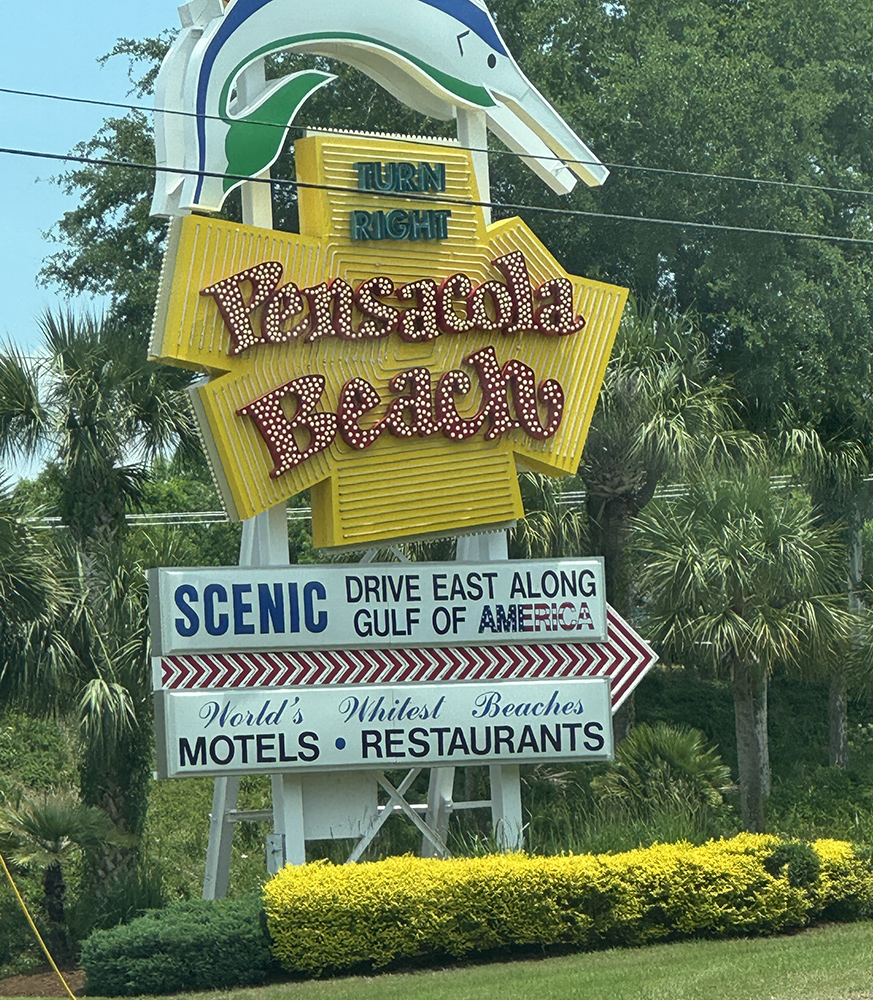
I’ve known how special this part of the Florida Panhandle has been for decades. But Pensacola is more than just a beach destination. While its shoreline might initially attract you, it’s the aviation history, layered military past, walkable downtown, and diverse dining scene that make it a place you want to visit again and again.
This Gulf Coast treasure truly shines beyond the beach.
You May Also Enjoy Reading:
Why I Love Navarre Beach on the Florida Panhandle
How I Display My Sand Collection and Shells
Here’s the Complete List of 15 Top U.S. Beaches for 2025, According to Condé Nast Traveler’s Readers Choice awards.
Destinations I’ve written about are linked below:
- Pensacola Beach, Florida
- Navarre Beach, Florida
- Waikiki Beach (Oahu), Hawaii
- Kauna’oa Beach (Mauna Kea) (Big Island), Hawaii
- Hapuna Beach State Park (Big Island), Hawaii
- Ka’anapali Beach (Maui), Hawaii
- Kailua Beach Park (Oahu), Hawaii
- Siesta Beach, Siesta Key (Sarasota), Florida
- Trunk Bay, St. John, U.S. Virgin Islands
- Orange Beach, Alabama
- South Padre Island, Texas
- Coligny Beach, Hilton Head, South Carolina
- Lake Havasu State Park, Lake Havasu City, Arizona
- St. Augustine Beach, Florida
- Coronado Beach, California
Pensacola seems to have quite a few interesting attractions. I wasn’t aware there is so much to see beyond the beaches. I’d love to visit more of Florida someday. So far we have only been in Miami and Fort Lauderdale.
Yes, the Florida Panhandle has so much to see and do, and is quite different from Miami and Ft. Lauderdale! You should definitely plan a visit there…and maybe I’ll meet you there! We usually go once a year.
Great article! It brought back many great memories.
We find something new to do every time we go! I love the Pensacola and Navarre area and still have things on my list to try.